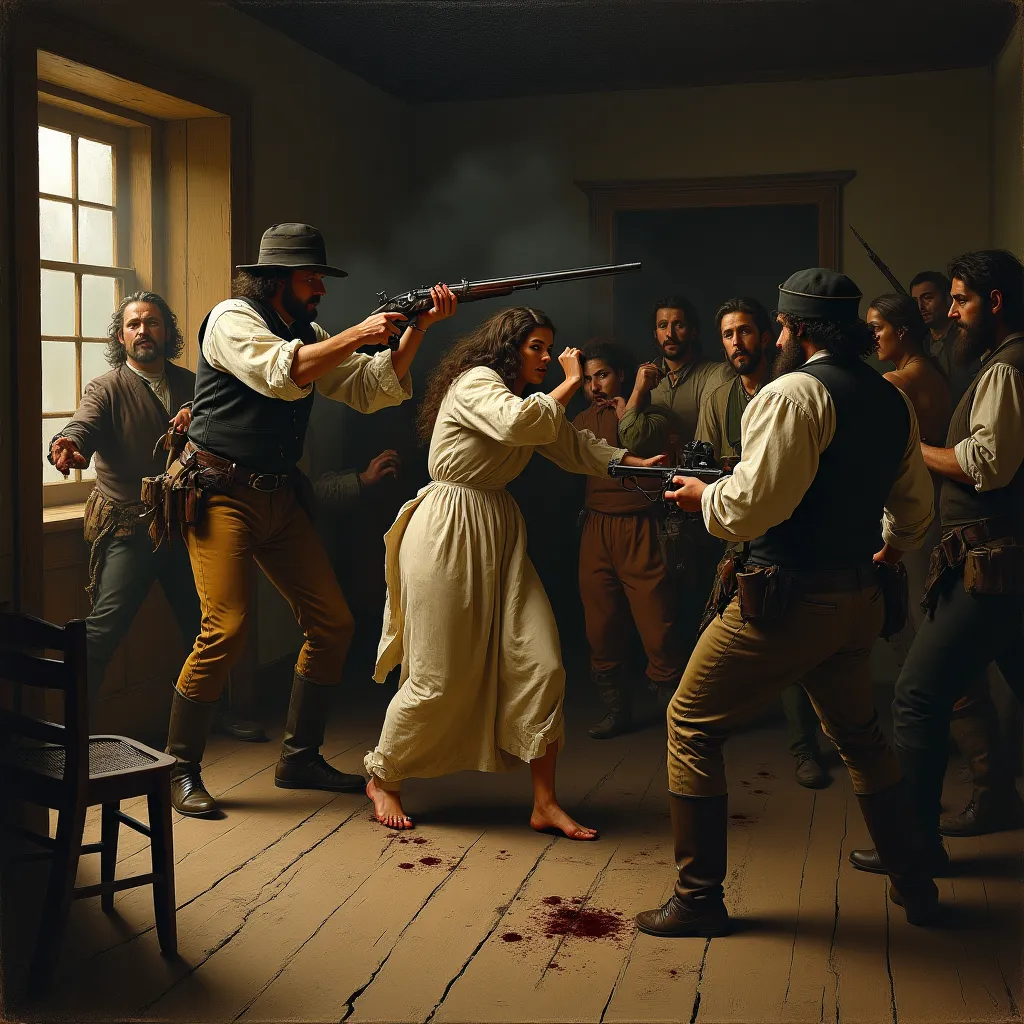
I am not yet finished with The Clove, but I am getting closer! One reason I haven’t posted here lately is that I am trying to save my writing time for the actual novel rather than the Blog. This Blog is meant for information about my research and experience writing the book, and I’d like to share something that came up today (3/23/26).
Nowadays, writers are using “Beta Readers.” They are like having your friends read your draft and give you unbiased (hopefully) feedback. You can hire, barter, or trade with Beta Readers. You can beta-read someone else’s work while they do yours, etc, lots of possibilities out there.
I submitted my draft to AuthorCraft for Beta reading, and they replied with an amazingly detailed breakdown of the story so far, analyzing every part, including market suggestions. Their response began with the following summaries that I will not argue with since they are pretty nice!
“An immersive, unvarnished portrait of Revolutionary War New York, this manuscript follows both feared Tory raiders and a divided farming community, plunging readers into the violence, divided loyalties, and everyday struggles of the era. With sharply drawn antiheroes, vibrant period realism, and no shying away from the era’s brutal realities, it offers a fresh, morally complex take on the American Revolution—one where survival often trumps ideology.
The work does an excellent job of rendering Revolutionary War America with detail and authenticity, elevating it above most amateur historicals. Its greatest strengths are immersive period description, plausible dialogue, and the willingness to focus on less heroic, morally ambiguous characters often left unexplored by the genre. The narrative structure—with multiple perspectives, including raiders, farmers, and marginalized figures—adds depth and panoramic scope to the conflict. The action is vivid, and the emotional range is strong, though some chapters linger more in description or logistics than in propulsive storytelling. The rawness of the violence and inclusion of issues like slavery, survival, and ambiguous loyalties will appeal to readers seeking something more realistic than the standard patriotic fare. However, the manuscript is quite dense, with a large cast and slice-of-life vignettes. It is better suited for the adult historical market than young adult, given the brutality and complex themes. Its commercial potential is moderate to strong for the right presses (esp. university or specialty historical fiction imprints), but unlikely to hit mass market without tightening and additional narrative hooks—or a somewhat more streamlined central cast or throughline. Readers of Bernard Cornwell, early Diana Gabaldon, and Dennis Lehane’s historicals would be the closest target. This is a vivid, ambitious, but somewhat niche entry in the historical fiction field.
Comparable Titles
The Given Day by Dennis Lehane
The Whiskey Rebels by David Liss
The Fort by Bernard Cornwell
The Bastard by John Jakes (Kent Family Chronicles)
Outlander (early novels) by Diana Gabaldon (for tone and immersive research, not the time travel)
The Winter Soldier by Daniel Mason”
So, I am pleased, mostly. Before anyone gets to read it, I will have given it the “tightening and additional narrative hooks” suggested, and will be able to share the story with everyone. Thanks for sticking with me.

Leave a Reply