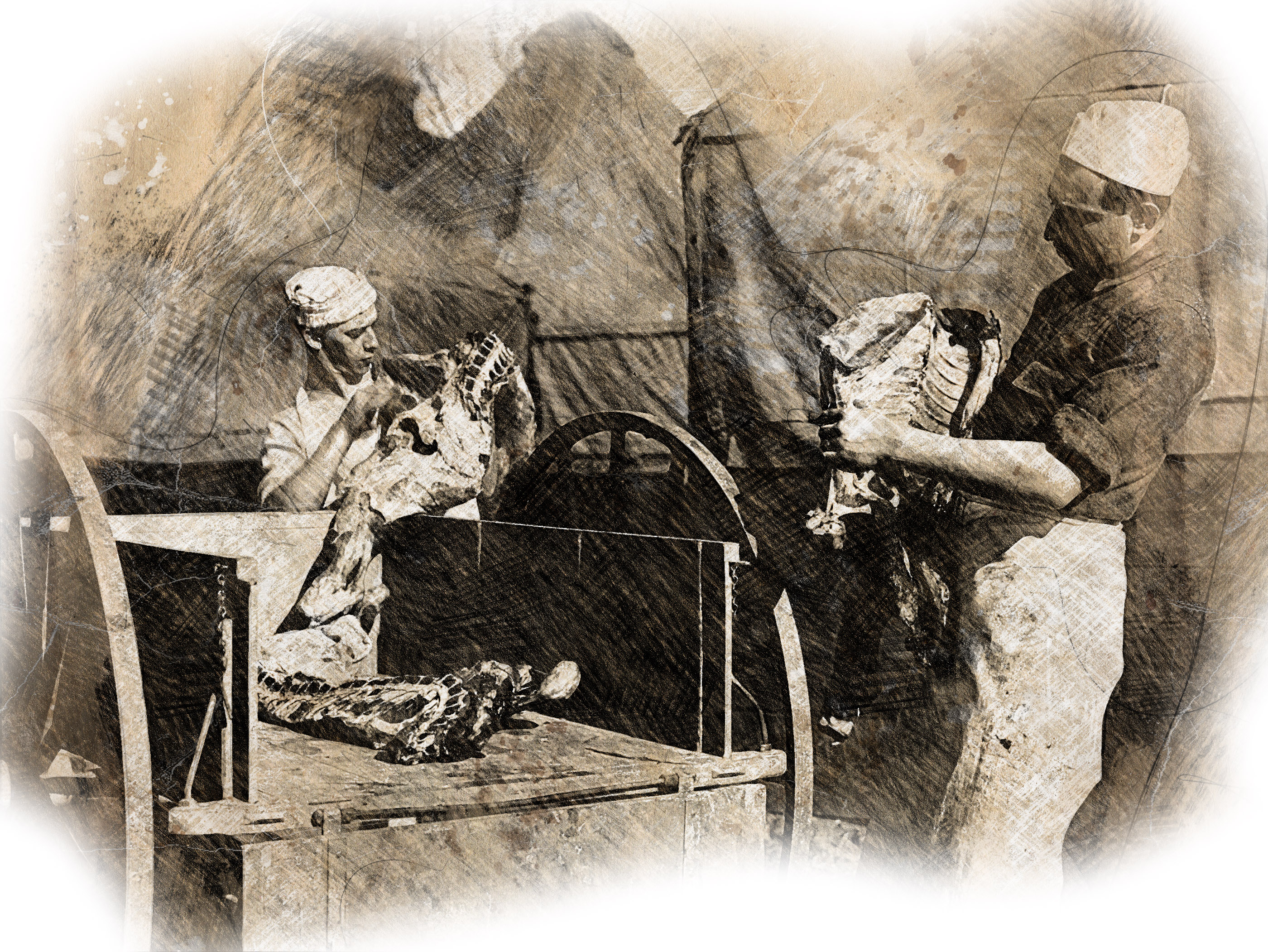

Many years ago when I was a student at the Culinary Institute of America the scheme was that the newer student/chefs start off learning the basics of all things related to cuisine and by the end of your time there you are designing your own restaurant and cooking in one of the school’s four star ones. Early in my time there I was in the “Storeroom” class which taught you about the aspects of ordering, receiving, and storing quality food. It also had us delivering cartloads of the stuff to the working kitchen classes and the four (at that time) restaurants on campus. One morning I arrived at the “Charcuterie” class kitchen with a delivery and asked the Chef Instructor where he would like his delivery. He pointed at the walk-in refrigerator and told me to “Just put it in there and the steward will check you in.” The steward was another student designated for the job that day who accompanied me into the fridge, checked the order and left me there to unload. I unloaded quickly and looked around at what the class had been working on. There was a twenty gallon stockpot on the floor covered with a lid that looked interesting so I lifted the lid and was face to face with a large pigs head floating in brine. I replaced the lid and left the walk-in with my head full of scenarios and questions. Weeks later I had gone through the eye-opening “Meat Fabrication” class, which was an excellent course in basic butchery, followed by the same Charcuterie class I had delivered to previously. We were greeted to our first day in Charcuterie by Chef Jaques De Chanteloup passing around samples of fromage de tête en vinaigrette and some icy cold Gewürztraminer wine, (yes the school could be very nice… sometimes). What I was enjoying in a classroom at 9am was the same unfortunate pig’s head turned into a thinly sliced, delicious, and somewhat chewy loaf of preserved meat. My spectacular introduction into the world of disassembling animals and turning them into tasty menu items was tempered by each of those Chef Instructors announcing from the start that what we were learning was being lost and replaced by factory butchers and machine fabricated meats. The art and craft of hundreds of years of family and individual shops would soon be gone and they were thankful to still be teaching it.
If you’ve made it this far (thank you), you may be wondering what this has got to do with a novel about 18th Century rural terrorism? The evidence is circumstantial, so I’ve let the circumstances of the business end of the crimes dictate how I thought it may have worked. The Smith Gang were “Cowboys” stealing livestock to supply the English forces who had a very limited supply chain shipping out of Cork, Ireland. Stealing the animals was risky enough but driving herds of cattle successfully across a countryside of rebel sympathizers and the folks you stole them from must have been nearly impossible. That’s where Meat Fab 101 comes into play. Why not break down the critters, box up the salted meat and bring it to The King’s Quartermasters by the wagonload?

My experience at the CIA taught me that modern-day conveniences like refrigeration and electricity were helpful additions to the job, but almost like the saying goes, there’s more than one way to skin a cat. I have the gang using a secret camp abattoir to process the animals with saws and knives, then salting the primal cuts before boxing them for shipment. The butchering process basically unchanged since people started to transport and sell meat. The farmers and innkeepers of The Clove would be familiar with the techniques involved in field dressing animals they hunted and the livestock they kept for meat. I have the butcher in charge of the operation in the woods as man completely familiar with the basics and also a very proud charcutier. The scene in the book where this happens takes place outside of Sterling Forest, New York.
Leave a Reply